Use the mouse or tap on the screen to play.
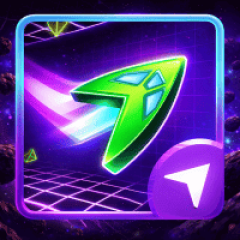
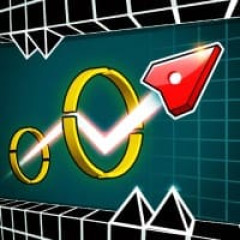
Once the game begins, your main responsibility is keeping the paper plane on a safe path. The plane may automatically move forward, leaving you to concentrate on controlling its direction and avoiding dangerous objects.
Watch the area ahead instead of focusing only on the plane itself. Looking slightly forward gives you more time to react when an obstacle appears.
Good control is about anticipation. Rather than waiting until the last second, make small adjustments early enough to create a comfortable path.
Obstacles are one of the main challenges in Paper Airplane. A collision can interrupt your run or prevent you from reaching a higher score.
Observe the movement and position of obstacles carefully. Some may require you to move upward, while others can be avoided by staying lower.
The key is to avoid sudden, unnecessary movements. A controlled adjustment is usually easier to manage than a large movement made in panic.
Depending on the game mode or level, you may encounter items that can increase your score or provide other benefits. Collecting these objects can make a successful run more rewarding.
However, never lose control of the plane simply to collect something. A safe route should remain your priority. A missed bonus is usually less costly than a collision.
Achieving a high score in Paper Airplane requires a combination of timing, concentration, and consistent control. Because the gameplay is easy to learn, improving your performance mostly comes down to developing better habits.
Your first few attempts are a good opportunity to understand how the plane reacts to your input.
Pay attention to how quickly it changes direction and how much movement is needed to avoid an obstacle. Once you understand this relationship, your actions become more predictable.
Instead of constantly experimenting during a difficult section, build a sense of control during the easier parts of the game.
One of the most common mistakes is concentrating too heavily on the plane itself. By the time you notice an obstacle, you may not have enough space to react.
Keep your attention slightly ahead of the plane. This gives your brain more time to process upcoming changes and choose an appropriate movement.
A player who anticipates obstacles can usually make smaller and smoother adjustments.
Large movements can quickly send the paper plane away from the desired route. Try to make gradual adjustments whenever possible.
Smooth movement is especially useful when the game presents several obstacles close together. Instead of moving dramatically from one side to another, maintain a stable position and adjust only when necessary.
A high score often comes from staying in the game for a long time. That makes survival more important than collecting every available reward.
Think of each section as an opportunity to maintain your run. Safe movement should come first, while optional rewards can be collected when they do not create unnecessary risk.
Winning once is useful, but consistent performance is even better. Try to understand which sections usually cause problems and practice them during future attempts.
Over time, familiar situations will require less concentration. Your reactions become more natural, giving you additional attention to deal with unexpected obstacles.
A few practical techniques can help you improve your performance and make the game more enjoyable.
New players often move too aggressively because they want to avoid obstacles immediately. This can create another problem by pushing the plane too far in the opposite direction.
Begin with small adjustments. Observe how the plane responds, then make another correction when necessary.
This approach provides greater control and makes it easier to maintain a stable route.
Do not wait until an obstacle is directly in front of you. Look ahead and identify potential problems as early as possible.
Early recognition gives you more options. You can choose a smoother path instead of making a last-second movement.
This simple habit can significantly improve your survival time.
Try not to constantly move between extreme positions. Staying in a comfortable area of the screen gives you more room to react in either direction.
A central or open position can sometimes provide greater flexibility, although the best position depends on the obstacles and layout ahead.
Collectibles can be tempting, especially when they appear just outside your current route. However, moving toward every reward can increase the risk of hitting an obstacle.
Think about the reward relative to the danger involved. Safe opportunities are worth taking, while risky ones can be skipped.
A longer run with fewer collectibles may ultimately produce a better result than a short attempt filled with unnecessary risks.
Once you become familiar with the controls, try to develop a rhythm. Observe the plane, anticipate the next obstacle, make a small adjustment, and return to a stable position.
This repeated process can make the gameplay feel more predictable.
Rather than reacting emotionally to every obstacle, treat the game as a sequence of small movements.
As your score increases, maintaining concentration becomes more important. A run can end because of one moment of inattention.
Avoid distractions when attempting to beat your personal best. Keep your eyes on the upcoming route and maintain a steady pace.
Short breaks between attempts can also help prevent fatigue when you are repeatedly trying to improve your score.
Every failed attempt provides useful information. Take note of where you usually lose control and pay extra attention to that section during your next run.
Eventually, difficult situations can become familiar patterns. Once you know what to expect, your reaction time naturally improves.
If you are a big fan of action-oriented casual games may also want to try Stickman Clash for a completely different challenge. Its faster combat-focused gameplay provides a nice contrast to the careful movement and timing required by Paper Airplane.