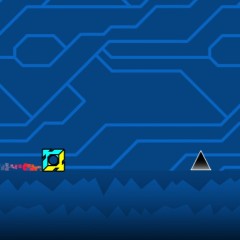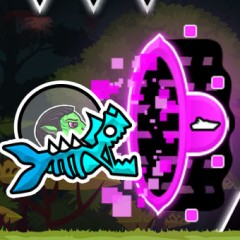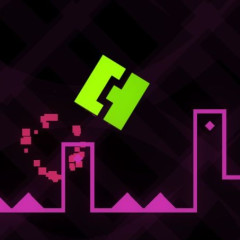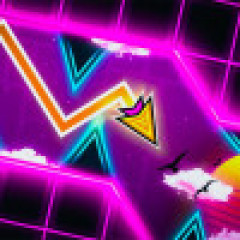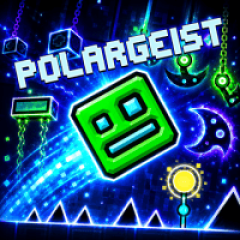
The soundtrack is not just background music in Geometry Dash Polargeist. It works as an important gameplay tool that helps players understand the level's timing.
Every jump, movement, and interaction with the yellow jump rings in this level is perfectly synchronized with the electronic beats and drum sounds of the song.
When the sound is turned on, players can follow the rhythm instead of relying only on visual reactions. The beat gives you signals that help you know when to click or tap.
For example, some jumps may look difficult when you only watch the screen. However, once you listen to the music, you can notice repeated patterns that guide your actions.
The electronic soundtrack creates a natural rhythm flow:
This makes Geometry Dash Polargeist feel more like a musical performance than a traditional platform game.
Some players prefer playing with the volume turned off, but this can make the level more challenging. Without audio feedback, you lose one of the strongest tools available for predicting movement.
The visual effects in Geometry Dash Polargeist are exciting, but they can sometimes distract you. The music provides a consistent guide that helps maintain your concentration.
For the best experience, use headphones or clear speakers and try to follow the rhythm while practicing. After several attempts, your movements will naturally become more accurate.
If you enjoy challenging rhythm levels, you may also want to explore other popular stages like Geometry Dash Tidal Wave, a more advanced level that pushes timing skills and reaction speed to a much higher level.
For many players, Practice Mode is the most important feature in Geometry Dash Polargeist. Instead of restarting from the beginning every time you fail, this mode allows you to create checkpoints and practice difficult sections repeatedly.
To use Practice Mode, pause the game and select the green diamond icon. Once activated, you can place checkpoints throughout the level.
These green checkpoints act as temporary respawn points. When your cube crashes, you will restart near the location where you failed instead of returning to the beginning of the level.
Normal Mode requires players to complete the entire level without mistakes. This can be frustrating, especially when you repeatedly fail at the same difficult section near the end.
Practice Mode solves this problem by allowing focused training.
For example:
A good strategy is to complete Geometry Dash Polargeist in Practice Mode one or two times before seriously trying Normal Mode. Once you know the route and timing, your chances of reaching 100% completion become much higher.
Practice Mode is not only for beginners. Even experienced players use it when learning difficult Geometry Dash levels because it saves time and improves consistency.
Geometry Dash Polargeist contains three hidden Secret Coins that encourage players to explore different paths and improve their skills. However, beginners should not make collecting these coins their first priority.
The main goal should always be reaching the Level Complete! 100% message.
Trying to collect Secret Coins too early can make the level much harder because some coins require risky jumps or alternative routes. These challenges can distract you from learning the basic rhythm and obstacle patterns.
A better approach is:
Once your fingers become familiar with the rhythm and your reactions improve, collecting the hidden coins will feel much easier.
Geometry Dash Polargeist rewards practice and patience. It is normal to fail many times before completing the level. Each attempt teaches you something new about the timing, obstacles, and music patterns.
Instead of feeling frustrated by mistakes, treat every failure as training. The more you play, the more naturally you will understand when to jump and how to react.