Use your finger or mouse to play.
When a song begins, piano tiles will appear and move across the playing area. Watch their positions carefully and tap or click each tile at the correct moment.
The key is to avoid pressing empty spaces. Your attention should remain on the tiles as they appear, allowing you to react quickly and maintain the rhythm.
At the beginning, the pace may feel comfortable. As you continue playing, however, the sequence can become faster and require greater concentration. This is where your reflexes and timing become especially important.
Playing Magic Tiles 3 on a phone or tablet is straightforward. Use your finger to tap the tiles directly on the screen. The touchscreen controls make it easy to play whenever you have a few minutes to relax.
On a desktop or laptop, the mouse provides precise control. Move your cursor toward the next tile and click at the appropriate moment.
Regardless of your preferred device, the basic principle remains the same: watch, react, and tap in rhythm.
Good timing is more important than simply clicking as quickly as possible. Try to listen to the melody and use the rhythm as a guide.
The music can help you anticipate when the next tile should be pressed. Once you become familiar with the rhythm, your movements may feel more natural and less dependent on visual reaction alone.
One of the biggest attractions of Magic Tiles 3 is its combination of music and interactive gameplay. Instead of simply listening to a song, you actively participate in the performance by tapping the piano tiles.
You need to click the correct piano key to create music. Every successful action becomes part of the song, making your input feel connected to the melody.
This simple idea turns each level into an interactive musical experience. You are not only trying to achieve a high score; you are also trying to keep the song flowing smoothly.
A missed tile can break your rhythm, so maintaining concentration is essential. The better your timing becomes, the more satisfying the music can feel.
Your goal is to keep tapping the correct tiles and complete the song without making mistakes. Finishing a song gives you a sense of progress and encourages you to try more challenging tracks.
As the level develops, the sequence may become more demanding. You may need to react faster and pay closer attention to the movement of the tiles.
Completing a difficult song can be particularly rewarding because it combines musical awareness with quick reflexes.
Listening carefully can make a noticeable difference. Instead of treating every tile as an isolated button, try to understand how the taps match the melody.
The rhythm gives you a natural pattern to follow. With practice, you may begin to anticipate the next movement rather than reacting at the last possible second.
This makes the game feel more fluid and helps turn repetitive tapping into a more engaging musical challenge.
Magic Tiles 3 combines simple controls, musical gameplay, and increasing challenges to create an experience that is easy to start but difficult to master.
The game does not require complicated button combinations. Players can use a finger on touchscreen devices or a mouse on a computer.
This makes Magic Tiles 3 accessible to both casual players and people who enjoy rhythm games. You can start playing almost immediately without spending a long time learning the controls.
The game becomes more exciting as the pace increases. Faster songs require quicker reactions and better coordination between your eyes, hands, and ears.
What begins as a simple tapping challenge can quickly become an intense test of concentration. You need to stay focused on the screen while keeping up with the rhythm.
Music is at the center of the gameplay. Each successful tile creates part of the musical performance, allowing you to interact with songs instead of simply listening to them.
This combination makes the game suitable for players who enjoy both casual gaming and music-based challenges.
Magic Tiles 3 tests how quickly you can recognize a tile and respond correctly. However, speed alone is not enough.
You also need accurate timing. Clicking too early or too late can cause you to miss the correct tile, so developing a consistent rhythm is an important part of improving your performance.
The challenge naturally grows as you progress through songs. Faster sequences give you less time to react, requiring greater concentration and improved hand-eye coordination.
This increasing difficulty gives experienced players a reason to keep practicing. A song that initially seems too fast may become much easier after repeated attempts.
Another advantage is how easy it is to start a quick session. You do not necessarily need a long gaming session to enjoy the experience.
You can play a song during a short break, practice a difficult section, or spend more time trying to improve your performanace.
For players who enjoy quick browser games, this makes Magic Tiles 3 an entertaining option.
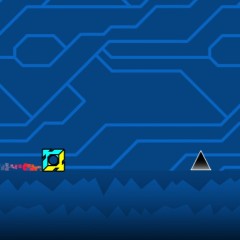
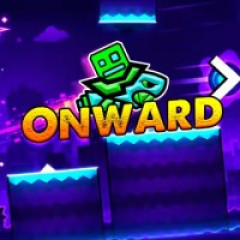
Players who enjoy rhythm-based challenges may also like games that combine fast reactions with precise movement. For a different style of browser challenge, Geometry Dash Onward offers a more platform-focused experience where timing and quick reactions are equally important.