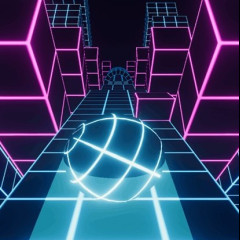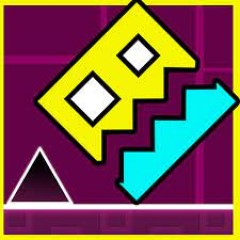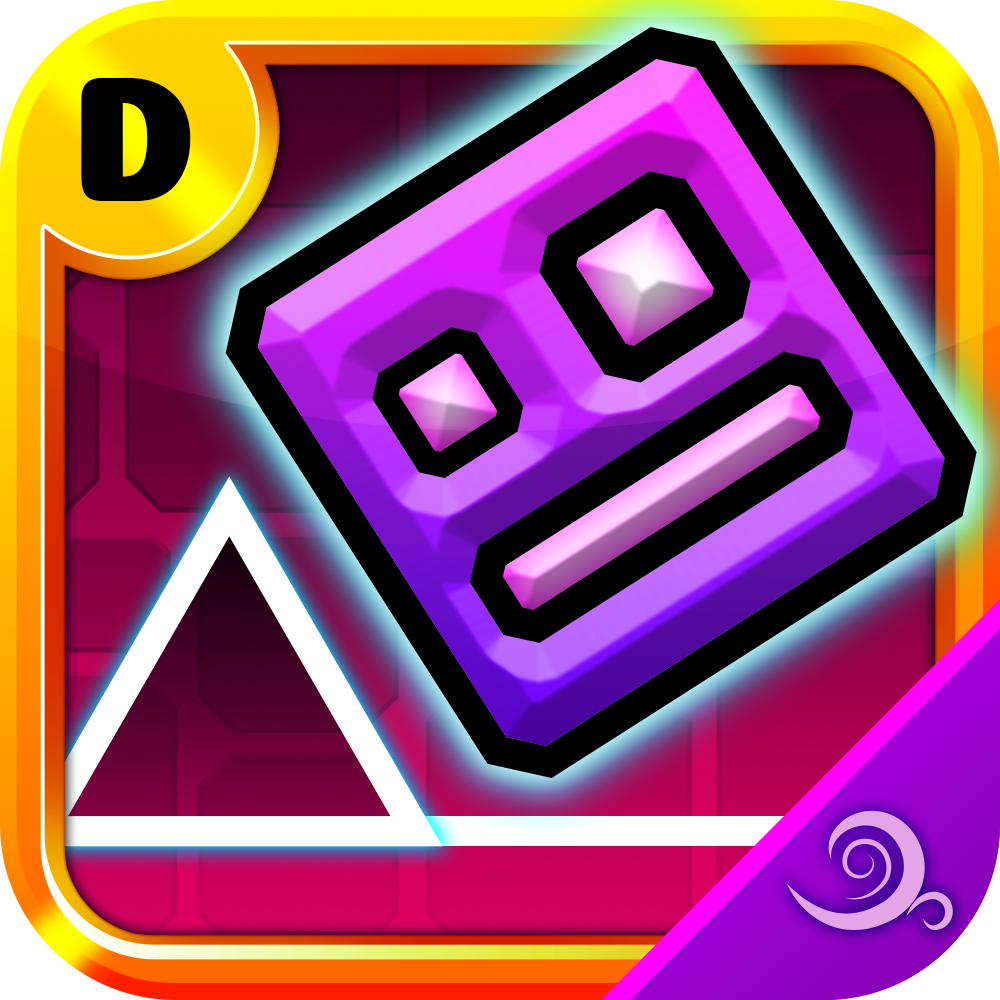
The main goal in Geometry Dash Switch is easy to understand: reach the destination without hitting obstacles. Although the objective sounds simple, completing a level requires patience and consistent control.
Two tasks should remain your priority throughout every attempt.
Your first objective is to keep your character moving until you reach the end of the level. There is no need to rush your inputs. The character already moves forward automatically, so your responsibility is to make the correct actions at the correct times.
Pay attention to what is coming next. Looking slightly ahead gives you more time to prepare for jumps and other changes in the path. This is especially helpful when several obstacles appear close together.
Reaching the destination successfully requires you to maintain concentration from the beginning of the level to the finish. A player can perform perfectly for most of a run and still fail during the final section because of one small mistake.
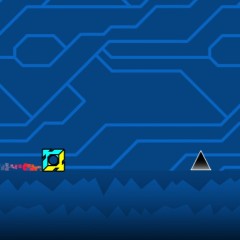
Avoiding obstacles is the second major mission. Spikes are among the most recognizable hazards, but different sections can introduce changing patterns that require different timing.
Some obstacles are easy to predict, while others appear in quick sequences. Learning to recognize these patterns will gradually reduce the amount of time you need to react.
When you crash at the same location repeatedly, do not simply try to move faster. Look at what caused the mistake. Perhaps the action was performed too early, too late, or without enough preparation for the next obstacle.
Every failed attempt provides useful information. With enough practice, difficult sections can become familiar rather than unpredictable.
Geometry Dash Switch rewards players who learn the level's structure. The colorful visuals and moving elements make the game attractive, but they can also create distractions during faster sections.
Keep your attention on your character and the path directly ahead. Background animations are part of the visual experience, but they should not take priority over incoming hazards.
Remembering the sequence of difficult obstacles can also make future attempts easier. Once you know what is coming, you can prepare your next action before the obstacle reaches your character.
Geometry Dash Switch offers different ways to approach its challenging gameplay. The two important modes are Practice Mode and Normal Mode which can be found in Geometry Dash Onward. Each one serves a different purpose and can help you improve your performance.
Practice Mode is useful when you are still learning a level or struggling with a particular section. Instead of focusing only on completing the entire level, you can use practice sessions to understand difficult sequences and improve your timing.
This mode is especially valuable for beginners. A complicated obstacle pattern may seem impossible at first, but repeated practice helps turn unfamiliar movements into predictable actions.
Focus on one difficult section at a time. Learn when you need to act, identify the safest timing, and repeat the sequence until it becomes comfortable.
Practice Mode can also help experienced players refine their consistency. Even players with good reaction speed can benefit from learning the exact structure of a difficult level.
Normal Mode is where you put your skills to the test in a complete run. The goal is to progress from the beginning to the destination without making a mistake that ends the attempt.
This mode requires more concentration because you cannot rely on simply learning one small section. You need to remember the level's patterns and maintain consistent timing throughout the entire run.
A useful strategy is to treat the level as a collection of smaller sections. Instead of thinking about the entire stage at once, concentrate on successfully passing the next sequence. This can make a long and challenging level feel more manageable.