Click the left mouse button or tap on the screen to jump.
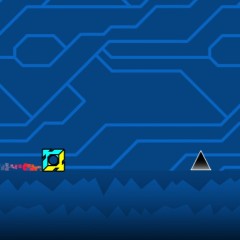
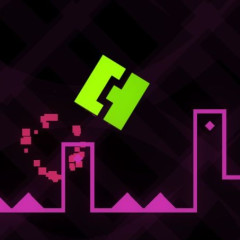
One of the most important rules in Dash is to avoid touching dangerous corners along the route. Sharp edges and other obstacles can stop your progress immediately.
The safest approach is to keep watching the path ahead. Some obstacles may appear simple, but their position can make them difficult to pass. A small mistake in your jump timing can cause the character to hit a corner instead of landing safely.
Gaps are another major danger. When the path suddenly ends, you need to jump far enough to reach the next platform. A jump that is too short can cause the character to fall, while a badly timed jump may send it directly into another obstacle.
The game therefore tests both reaction speed and accuracy. You cannot simply hold a button and expect the character to reach the end. Every section requires some attention and decision-making.
Dash features multiple levels with different layouts and environments. Each stage can introduce a new combination of platforms, gaps, obstacles, and other challenges.
This level variety prevents the game from feeling like the same course repeated again and again. When you enter a new level, you need to learn its layout and understand how its obstacles are arranged.
Early stages can help players become familiar with the basic jumping mechanic. As you continue, the environments become more demanding and require more accurate movements.
Some levels may contain narrow paths, elevated platforms, hidden areas, or obstacles that are difficult to see at first. These elements encourage players to pay close attention rather than relying only on memorized movements.
The changing environments also make completing a level feel rewarding. Once you have learned a difficult section, reaching the finish line can feel like a genuine achievement.
Dash is designed around repeated attempts. Failing a level does not necessarily mean that you lack the skill to complete it. Instead, each failure can teach you something about the level.
For example, you may learn that an obstacle requires an earlier jump than expected. On another attempt, you can adjust your timing and pass the same section successfully.
This process creates a simple gameplay loop: play, fail, learn, and try again. The more familiar you become with a level, the easier it becomes to anticipate its dangers.
Patience is especially important when a level contains several difficult sections in a row. Instead of focusing only on reaching the end, concentrate on improving one part at a time.
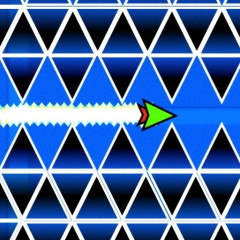
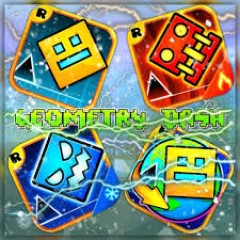
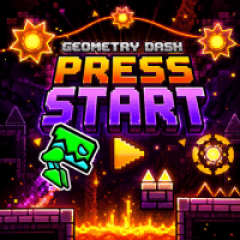
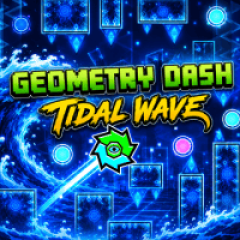
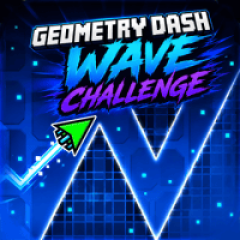
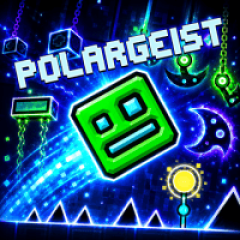
Dash shares many features with the popular Geometry Dash series. Both games focus on geometric characters, automatic movement, jumping, obstacles, and precise timing.
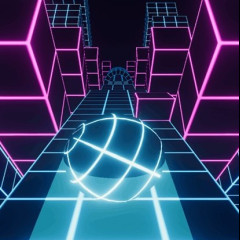
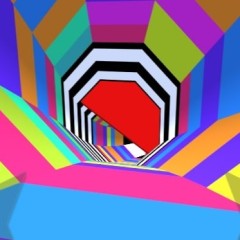
However, Dash also has its own visual style and level structure. The game provides shorter routes and presents them with bright colors and a more realistic 3D appearance.
The most obvious similarity is the main character. In both Dash and Geometry Dash, players control a geometric character moving through dangerous courses.
The core challenge is also similar. You need to jump at the right moment to avoid hazards or prevent the character from falling into gaps.
This means players who already enjoy Geometry Dash may quickly understand the basic idea behind Dash. The emphasis on timing is familiar, and both games reward players who can react accurately to obstacles.
Another similarity is the importance of repetition. A difficult section may require several attempts before you understand the correct timing. Instead of relying on complicated controls, the games challenge you to improve your reactions and memorize dangerous sections.
The jumping mechanic is particularly important. A single successful jump can allow you to pass an obstacle, while a poorly timed jump can immediately end the attempt.
Both games therefore appeal to players who enjoy skill-based platform challenges. They are easy to understand but can require significant practice to master.
One notable difference is the length of the paths. Dash has shorter routes, which can make individual levels feel more compact and focused.
Instead of requiring players to concentrate on one extremely long course, shorter levels allow you to focus on specific obstacles and challenges. This can make the game suitable for quick gaming sessions.
Shorter routes also make it easier to understand your progress. You can concentrate on completing the current level rather than worrying about how much longer the course will continue.
For players who enjoy quick challenges, this structure can be appealing. You can attempt a level, learn from your mistakes, and immediately try again.
The shorter paths do not necessarily make the game easy. A compact level can still contain difficult jumps and dangerous gaps. The challenge comes from the precision required to complete each section rather than simply from the length of the course.
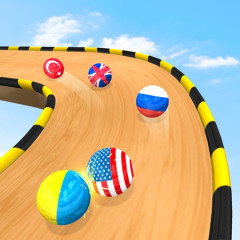
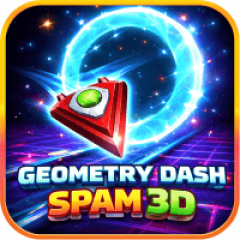
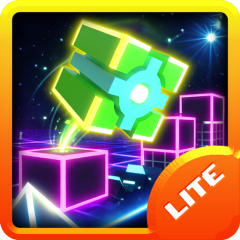
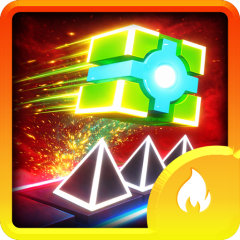
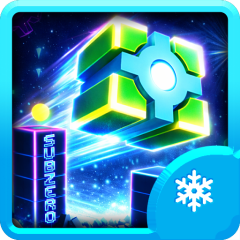
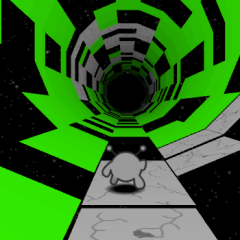
Another important difference is the visual presentation. Dash uses bright colors and realistic 3D graphics, giving the game a different appearance from the classic visual style associated with Geometry Dash.
The colorful environments make obstacles easier to recognize while also creating a lively atmosphere. The 3D presentation gives the levels more depth and makes the geometric character stand out against the background.
The combination of colorful visuals and three-dimensional environments gives Dash its own identity. Although the gameplay concept is familiar to Geometry Dash players, the presentation can make the experience feel fresh.
The graphics are also useful from a gameplay perspective. Clear platforms and visible obstacles allow players to focus on timing their jumps instead of dealing with unnecessary visual clutter.